


Electronic Cargo Tracking System to Improve India-Nepal Cargo Traffic and Security
6 June 2017
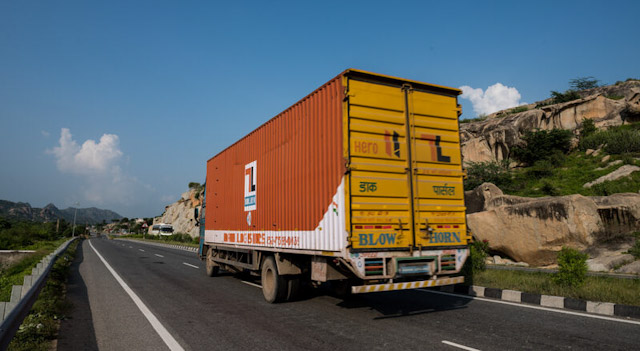
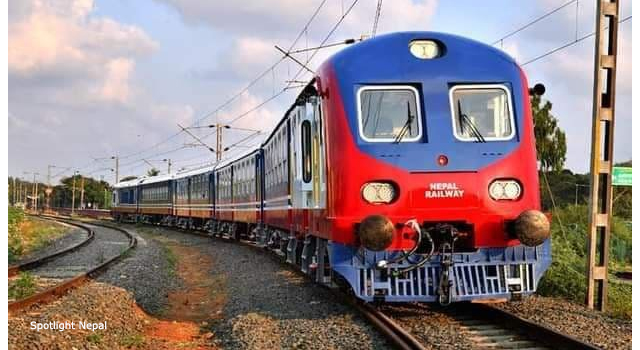
An electronic tracking system will soon ease traffic-in-transit for cargo traveling by road and rail from Kolkata to four major Customs points of Nepal: Kolkata-Birgunj via Raxaul; Kolkata-Sirsiya inland container depot via Raxaul; Kolkata-Biratnagar via Jogbani; and Kolkata-Bhairahawa via Sonauli corridors.
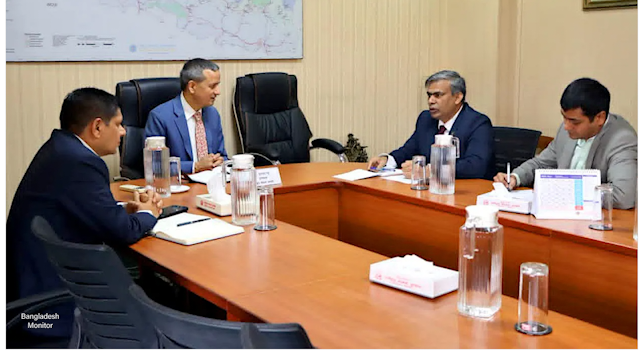
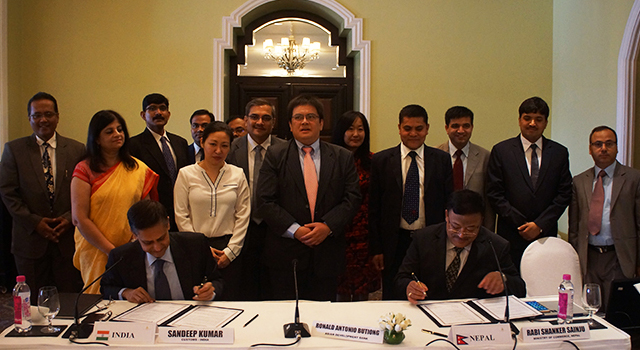
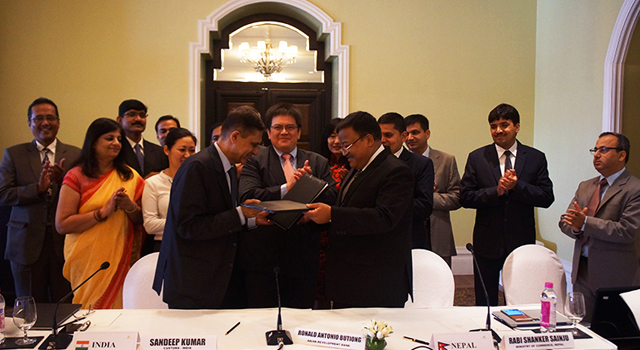
Mr. Sandeep Kumar, Customs Commissioner, India, and Mr. Rabi Shanker Sainju, Commerce Ministry Joint Secretary, Nepal, signed a memorandum of intent to pilot the tracking system for a trial period of at least 90 days beginning in late 2017 at a meeting held on 6 June 2017 in Mumbai, India. Senior Customs and trade officials from India and Nepal met to negotiate the memorandum of intent for the electronic cargo tracking system (ECTS), and discuss the modalities and procedures to implement the pilot run.
The ECTS, which uses satellite positioning systems, cellular communications, radio frequency identification, electronic seals, and monitoring software, has several benefits to trade in the subregion:
- Facilitating safe and secure cross-border transit;
- Simplifying border formalities and procedures;
- Reducing congestion of cargo;
- Improving transit time; and
- Lessening transaction cost.
Commissioner Kumar underscored the importance of this initiative to the Government of India’s aim of achieving seamless movement of goods across the border in the Bangladesh-Bhutan-India-Nepal (BBIN) subregion: "the pilot use of the electronic tracking system will be a path-breaking development in easing cross-border transit of goods between India and Nepal. Use of this cutting-edge technology should speed up trade formalities and improve security of goods in transit, and open the way for off-border customs processes for exports, leading to substantial savings in time and cost for traders."
Benefits to Nepalese traders of the tracking system include faster transit movement and simplified procedures, according to Mr. Sainju: "through the application of the system, we will not only be able to track the movement of our cargo, but even more, we will easily detect any unwanted incidences such as infiltration, pilferage, or deflection that may occur to our transit cargo in route."
The ECTS is an important initiative under the South Asia Subregional Economic Cooperation (SASEC) program, which includes Bangladesh, Bhutan, India, Maldives, Myanmar, Nepal, and Sri Lanka. Results of this pilot run will inform decision and next steps in using ECTS in other SASEC transport and economic corridors, as well as for inland movement of cargo.
The Asian Development Bank (ADB), as SASEC secretariat, is supporting the piloting of the ECTS.
Related Links: